Haiti Audit Court Raises Concerns Over 2024–2025 Budget Execution
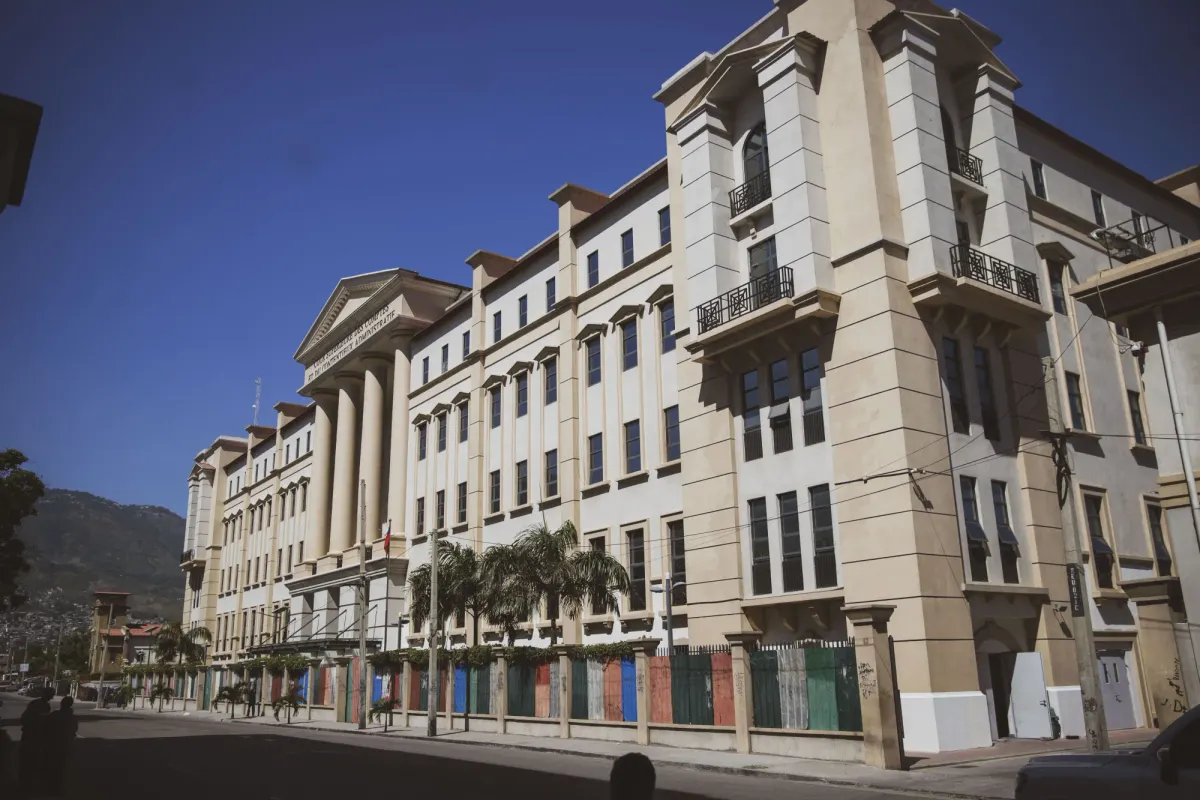
PORT-AU-PRINCE, Haiti (Nago News) — Haiti’s Superior Court of Accounts and Administrative Litigation (CSCCA) has released its official review of the 2024–2025 national budget execution, revealing mixed results: strong domestic revenue collection, but major concerns over compliance, transparency, and public investment execution.
According to the report, the Haitian government collected 237.06 billion gourdes in budget resources by September 30, 2025, representing 74.62% of projected revenues. Domestic revenues remained the backbone of government financing, accounting for over 82% of total resources collected. Customs revenues performed strongly, reaching 92.10 billion gourdes, while petroleum-related revenues exceeded expectations with a realization rate of 102.56%.
However, external financing remained weaker than expected. International donations reached 20.87 billion gourdes, achieving only 30.69% of planned targets, while debt cancellation expectations tied to the IMF fell dramatically short, with just 1.74% realized.
On the spending side, total government expenditures reached 239.8 billion gourdes, or 75.48% of the approved budget. Most of that spending went toward recurring operational costs rather than long-term development. Current expenditures—including salaries, goods and services, subsidies, and debt interest—represented nearly 75% of total spending, with personnel expenses alone totaling 98.16 billion gourdes.
The audit found that public investment spending remained relatively weak. Capital expenditures totaled 60 billion gourdes, but major programs and development projects achieved only 40.52% of planned execution, despite Haiti’s ongoing economic and social challenges. The report also noted that a significant share of investment spending depended on foreign support, creating vulnerability if international funding declines.
One of the strongest criticisms in the report concerns the Ministry of Economy and Finance (MEF). The CSCCA states that the budget execution report submitted by the ministry did not fully comply with Haiti’s public finance law, specifically because it failed to include the complete General Accounts documentation required under the 2016 legal framework.
The court also raised concerns over transparency in government subsidies and transfers. While these expenditures increased sharply, the report says there was insufficient information showing who benefited, how funds were allocated, or what measurable social impact was achieved.
Despite recording a basic budget surplus of 14.97 billion gourdes, Haiti still ended with an overall budget deficit of 2.74 billion gourdes after financing operations were included.
The CSCCA recommended stronger tax collection efforts, faster execution of public projects, improved transparency in subsidy spending, better coordination with international funding partners, and increased protection for vulnerable populations facing worsening poverty and food insecurity.
Source: CSCCA Official Budget Execution Report (2024–2025)
